

The Federal Government has launched a fresh push to tackle Nigeria’s out-of-school children crisis by activating completed but non-operational Smart, Bilingual and Alternative Schools across the country, inaugurating a ministerial implementation and monitoring committee to ensure the facilities begin admitting learners.
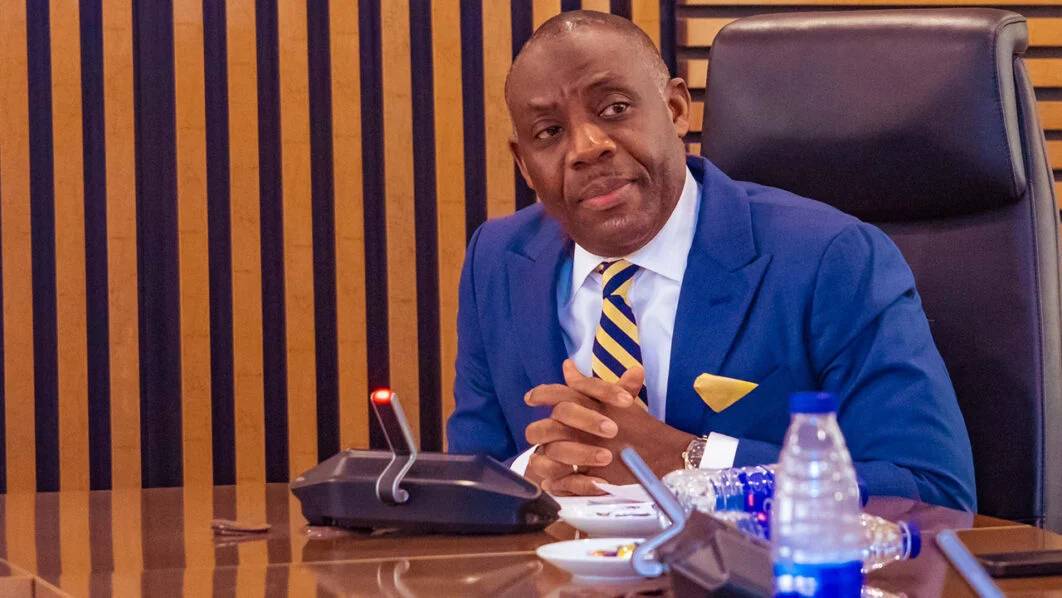
The Minister of Education, Dr Tunji Alausa, inaugurated the committee in Abuja on Tuesday, saying the initiative would ensure that schools constructed under the Universal Basic Education Commission do not remain idle but become fully functional learning centres serving children, particularly those excluded from formal education.
The move is part of the Federal Government’s Renewed Hope Agenda aimed at expanding access to quality basic education and improving learning outcomes by ensuring that investments in education infrastructure translate into actual classroom teaching.
Alausa said the government would no longer tolerate a situation where completed school projects remain locked or fail to serve their intended purpose.
“Infrastructure alone does not educate a child. A completed building without pupils is simply an empty structure. A furnished classroom without teachers remains an idle investment,” the minister said.
He explained that although UBEC had invested significantly in Smart, Bilingual and Alternative Schools to expand access to basic education, implementation gaps had prevented many of the projects from achieving their objectives.
According to him, the newly inaugurated committee will oversee the transition of schools from completed infrastructure to fully operational institutions through completion of outstanding works, handover, staffing, enrolment and continuous monitoring.
“Every day a completed school remains locked represents lost opportunities for thousands of Nigerian children,” Alausa said.
He added that the success of the committee would be measured not by reports produced but by the number of schools actively teaching children.
“Success will not be measured by the number of reports submitted, but by how many schools are actually teaching Nigerian children.”
